















Cornerstone Series
Why the Mattress Industry Broke.
Written by Chris Manley, Founder of Resthouse Sleep.
Explore the mattress industry through this series of six articles, unfolding the truth behind thirty years of trade knowledge that the industry has never put into plain language.
From the design shift that halved the lifespan of every mattress sold, to what actually happens to your body while you sleep, to why so many couples are struggling on their mattress, to the environmental cost hiding behind a "free return" policy, each article in this series pulls back the curtain on a broken industry and points toward something better.
"I didn’t set out to write a series of articles. I set out to explain something I couldn’t stop seeing. After thirty years in this industry, I’ve watched a lot of people spend real money trying to solve a sleep problem that nobody ever named correctly for them. They came back, again and again, still tired, still sore, still not quite right. And I knew, usually within the first few minutes of a conversation, that the problem wasn’t what they thought it was. That knowledge used to stay behind the counter. It still mostly does. And that bothered me more than I could justify ignoring. So I wrote it down, as the honest conversation I wish this industry was willing to have. If something here changes how you sleep tonight, that’s exactly why I wrote it."
– Chris, Founder, Resthouse Sleep
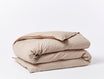
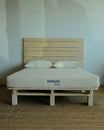
The One-Sided Mattress: How a Single Design Decision Cost You Years of Sleep
If you've ever wondered why your mattress developed a permanent dip in the middle, why rotating it only made things worse, or why the mattress you paid good money for seemed to give up on you after three or four years.
The answer is that they stopped building mattresses you could flip.
It sounds minor. But that single change set off a chain of consequences that the industry has been managing with marketing ever since. Consequences that are still playing out in bedrooms across the country every night.
Read Article 01
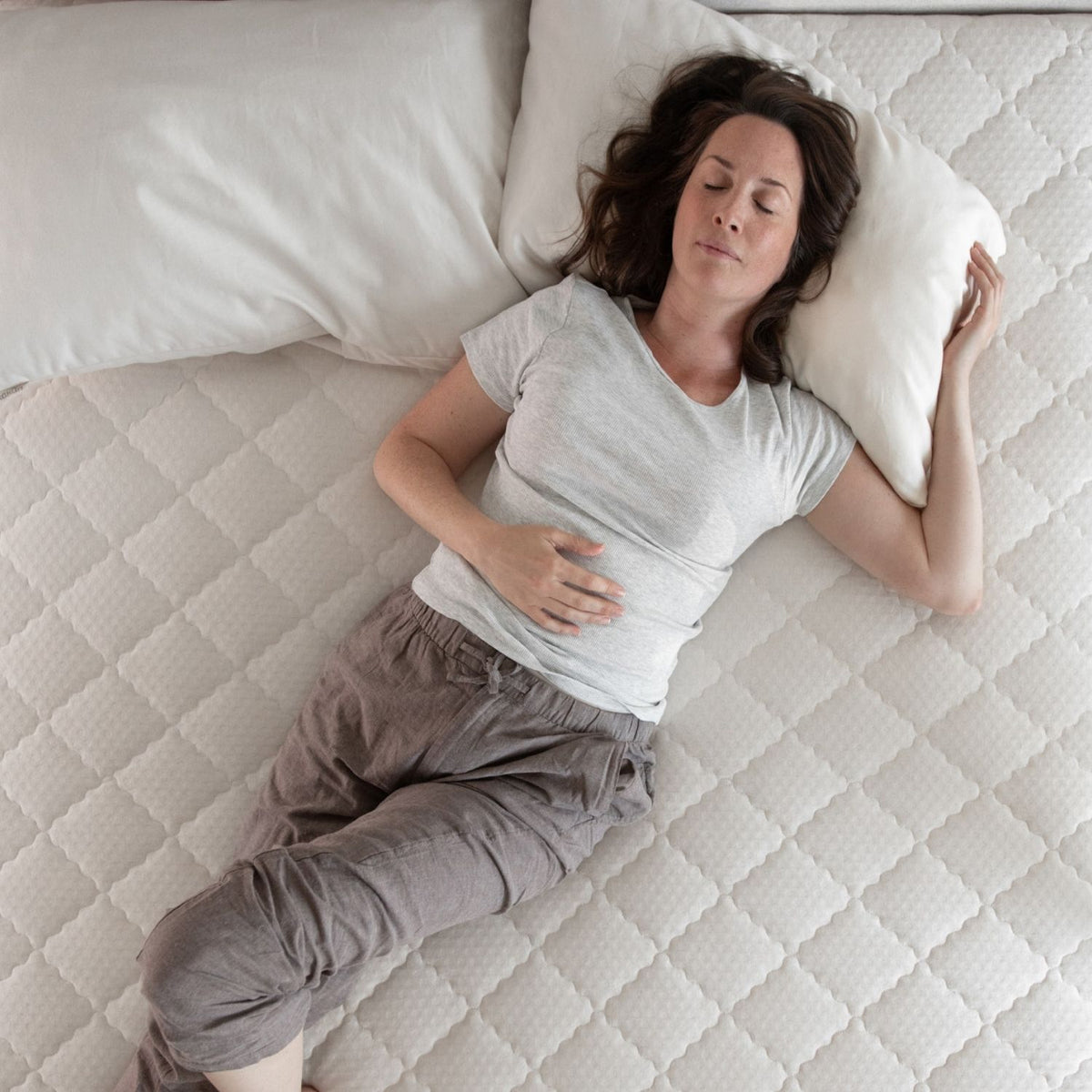
The Partner Problem: Why Couples Are Struggling On Their Mattress
There is a conversation that happens regularly in our store, and it almost always starts the same way. One partner is sleeping fine. The other isn't. They've tried different pillows. They've tried different sides of the bed. They start to wonder whether the problem is them.
It isn't. The problem is the mattress, specifically what the mattress has become after years of two different bodies sleeping on it.
This is the partner problem. And it's one of the most common causes of disrupted sleep in couples, one of the least understood, and almost never talked about by the industry that created it.
Read Article 02
What Happens to Your Body While You Sleep: The Gravity Collapse
Most people who come to us have already tried everything.
They’ve replaced the mattress. Sometimes twice. They’ve tried different pillows, firmer, softer, higher, flatter. They’ve adjusted the room temperature, changed their bedtime, cut back on screens. And they still wake up stiff, sore, or unrefreshed. Still carrying tension in the neck and shoulders that just doesn’t seem to go away.
In most cases, the problem isn’t what they’ve been sleeping on. It’s what’s been happening to their body while they sleep, and nobody has ever explained it to them.

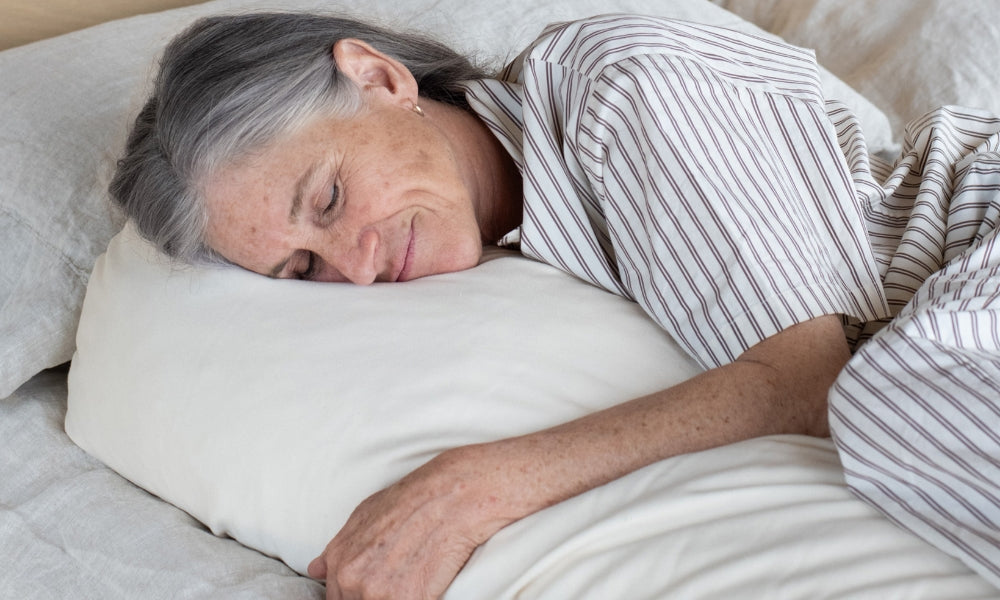
Why the Body Pillow is the Most Important Thing in Your Sleep Set Up
If you read Article 03, you know what the gravity collapse sequence does to a side sleeper’s body over the course of a night. The leg rolls forward. The shoulder drops. The neck compensates. The spine twists. And all of it happens during the hours your body most needs to be still and recovering.
This article is about the solution.
Not a mattress upgrade. Not a different firmness level. Not a sleep supplement or a new bedtime routine. The solution to the gravity collapse sequence is something the mattress industry has spent decades ignoring, because the moment it becomes the conversation, everything they’ve built their marketing around becomes secondary.
The body pillow.

Why You Need to Be Held: The Science of the Sleep Hug
There’s a reason spooning exists.
Nobody invented it. Nobody published a study recommending it. Couples have been doing it for as long as there have been couples, simply because the body figured out something long before the sleep industry did. Being held while you sleep feels better. You fall asleep faster. You feel safer, you feel held.
The person on the outside of the spoon is, without knowing it, getting almost exactly what we’ve spent four articles describing. Their top leg is supported by their partner’s body. Their upper shoulder is braced. Their nervous system is receiving the signal it needs to fully let go. For many people, it’s the best sleep they get.

Free Returns, Full Landfills: The Cost of the Foam Mattress Industry
The free return policy sounds like a consumer win.
Try the mattress for a hundred nights. If it doesn’t work for you, return it. No questions asked. Full refund. The brand absorbs the cost. You take no risk.
It’s one of the most effective pieces of marketing the mattress industry has ever produced. And it works because it sounds responsible, like a company confident enough in its product to stand behind it completely.
What it doesn’t tell you is what happens to the mattress after you return it. And what happens, far more often than the industry would like to acknowledge, is that it goes to landfill.

The Final
In this article, we bring together each piece of the series into one.
This is what nobody is telling you about the mattress industry.
Your Sleep, Your Way.
Want to know what a properly fitted sleep setup looks like for your body?
Book a Sleep Consultation