



















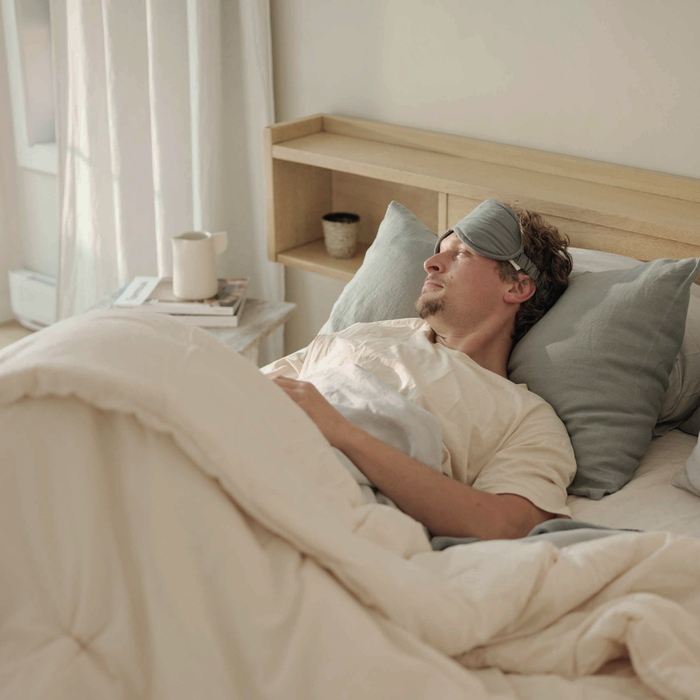
We carry a lot with us, day in and day out. Our bodies are constantly responding to every piece of information and stimuli they encounter, whether we are conscious of it or not. Our ancient fight or flight response is still very much alive, still trying to keep us safe. The problem is, our modern stressors don't look like the life-or-death threats our ancestors faced, but our bodies haven't quite figured that out yet. In our bodies, stress is stress, no matter where it comes from.
I know something is off when my thoughts begin to feel loud, unorganized, and it’s nearly impossible to stay present. When my body tenses, small things feel heavy, and I find myself working much harder to stay regulated and on top of my day-to-day.
What I’ve learned over time is that sleep is one of the only ways my nervous system resets and restores. When I’m rested, I have more patience with myself and with others. I have more room to pause before reacting. I have more capacity to show up where and how I am needed in my life. When I am rested, I am less stressed, and I can live, not just survive.
But, when I am stressed, my sleep suffers. I have difficulty falling asleep, I’m waking up constantly, and when I do sleep, it isn’t the deep, nourishing sleep my body craves. Of course, this disruption in my sleep cycle then increases my stress, leading to what I like to call the stress-sleep loop.
Why does this stress-sleep loop happen?
1. Stress keeps the body “on”
Daytime stress activates physiological hyperarousal (increases cortisol, triggers nervous system, crowded thoughts), making it hard for the body to downshift into deep, restorative sleep.
2. Poor sleep feeds next-day stress
Lighter, shorter sleep reduces emotional regulation, so stress feels bigger and harder to manage the following day.
3. It becomes a self-reinforcing cycle
Stress disrupts sleep, poor sleep increases stress but improving either side (stress regulation or sleep quality) can help break the loop.
How can you break out of it?
1. Ask for support
We have a funny way of insisting on weathering our storms alone. One of the most impactful ways we can reduce stress is by asking for help. Narrow down the to-do list with a loved one, delegate where you can, or simply talk through what's weighing on you. Lean on your community, you don't have to carry it all by yourself.
2. Slow down and check in
Throughout the day, pause and notice what your body is telling you. Are your shoulders tight? Is your jaw clenched? Is your breathing shallow? These are signals that stress is building. Taking even five minutes to breathe deeply, focus on releasing tense muscles, or step outside can help your nervous system begin to settle.
3. Prioritize sleep as soon as you begin to feel tired
Honour your body's natural cues. When you feel fatigue setting in, don't push through with another episode or scroll session. Create a soothing wind-down routine: dim the lights, put away screens, and give in to rest. Your body is asking for what it needs.
4. Make your bedroom a sleep sanctuary
Your sleep environment matters more than you might think. A cool, dark, quiet room signals to your body that it's time to rest. Invest in bedding that supports your body, breathes, and feels good against your skin. When your physical space supports relaxation, falling asleep, and staying asleep, becomes easier.
Rest isn’t a luxury, it’s a necessity.
Rest is healing, and there is nothing more soothing for a dysregulated nervous system than restorative sleep. Breaking the stress-sleep loop starts with honouring your body's need for both emotional and physical support, and prioritizing quality sleep by creating the conditions that make deep rest possible.