




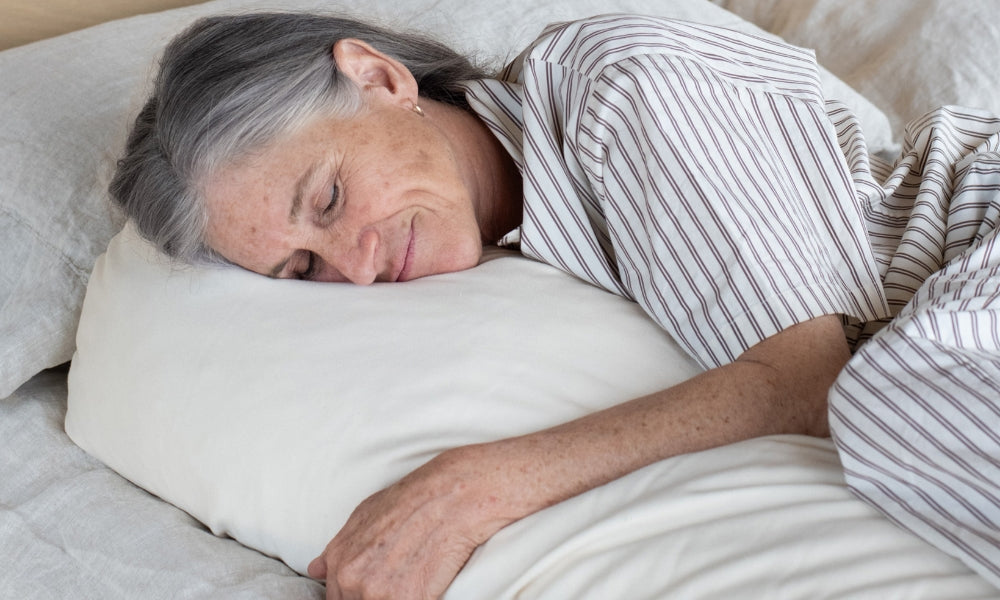
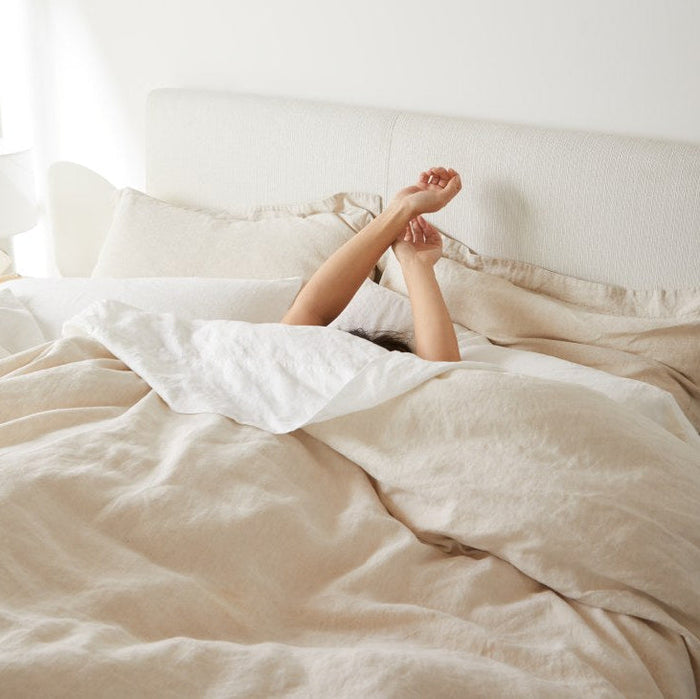
As of late, the bedding industry has been taken over by promises of cooler sleep with new gels, synthetic fibres, and chemical additives. But in the race to innovate, the simplest solution has been forgotten: breathability.
What are the basics of breathability?
Breathability is essentially used to describe a fabric that is air-permeable, made from fibres that allow air and moisture to ventilate and evaporate.
Time-honoured, breathable, natural fibres, woven for optimal airflow, are still the most effective way to dissipate body heat and moisture at night. There is really no need for added chemicals or to reinvent something that already works.
Here are a few changes you can make to sleep cooler this summer.
Sheets
Thread count has long been treated as the ultimate measure of quality, but high-thread-count sheets are notorious for trapping heat. And synthetic options, like microfibre, are just plastic, and I bet that's not the first material that comes to mind when you think of breathability or comfort.
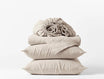
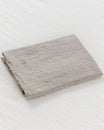
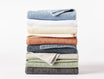
Instead, choose organic cotton with a thread count of 400 or under. A premium low-thread-count cotton sheet offers the same luxurious feel as its high-thread-count counterpart, without the heat retention. Linen is another excellent choice, as its fibres have an incredible temperature-regulating nature, keeping you cool in summer and warm in winter.
Duvet
Down duvets have grown in popularity since the 18th century, but wool was the gold standard in bedding for thousands of years before that, and for good reason. Wool fibres wick moisture and draw excess heat away from the body, making them the perfect companion for hot, humid nights.
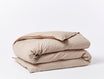
If you're using a polyester or down duvet and waking up overheating, consider switching to wool. You'll enjoy a much more balanced temperature year-round.
Mattress Protector
The mattress protector is one of the most overlooked culprits of nighttime heat retention. Many contain plastic liners or are made entirely from synthetics, making them highly effective at blocking airflow and sealing in moisture.
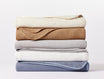
But you don't have to choose between protection and breathability. A natural wool or cotton protector offers both. And if you need moisture resistance, many are knit or felted to be water-repellent without sacrificing airflow.
Pillows
If you're constantly flipping your pillow to the "cool side", it isn't you. It's your pillow.
Memory foam, polyester, and down pillows all trap heat and moisture against your head. Not only is this uncomfortable, it can lead to skin irritation and sensitivity over time.
Skip the midnight pillow flip with a natural rubber latex or wool pillow. Latex has an open-cell structure that allows for continuous airflow, while wool, as you know by now, is naturally effective at regulating your body temperature.
You don't need to overhaul your entire bedroom at once, although that does sound fun! Just start with one or two changes that feel accessible, and you'll already notice a difference this summer.
Wishing you all many happy, cool sleeps ahead this summer!
Written by Chantel Jutras

